
Root Canal Treatment
What is a Root Canal?
The root canal refers to the space inside the tooth that contains the pulp—a soft tissue made up of nerves, blood vessels, and connective tissue. The pulp extends from the crown of the tooth down to the tip of the root within the jawbone.
Post-Treatment Care
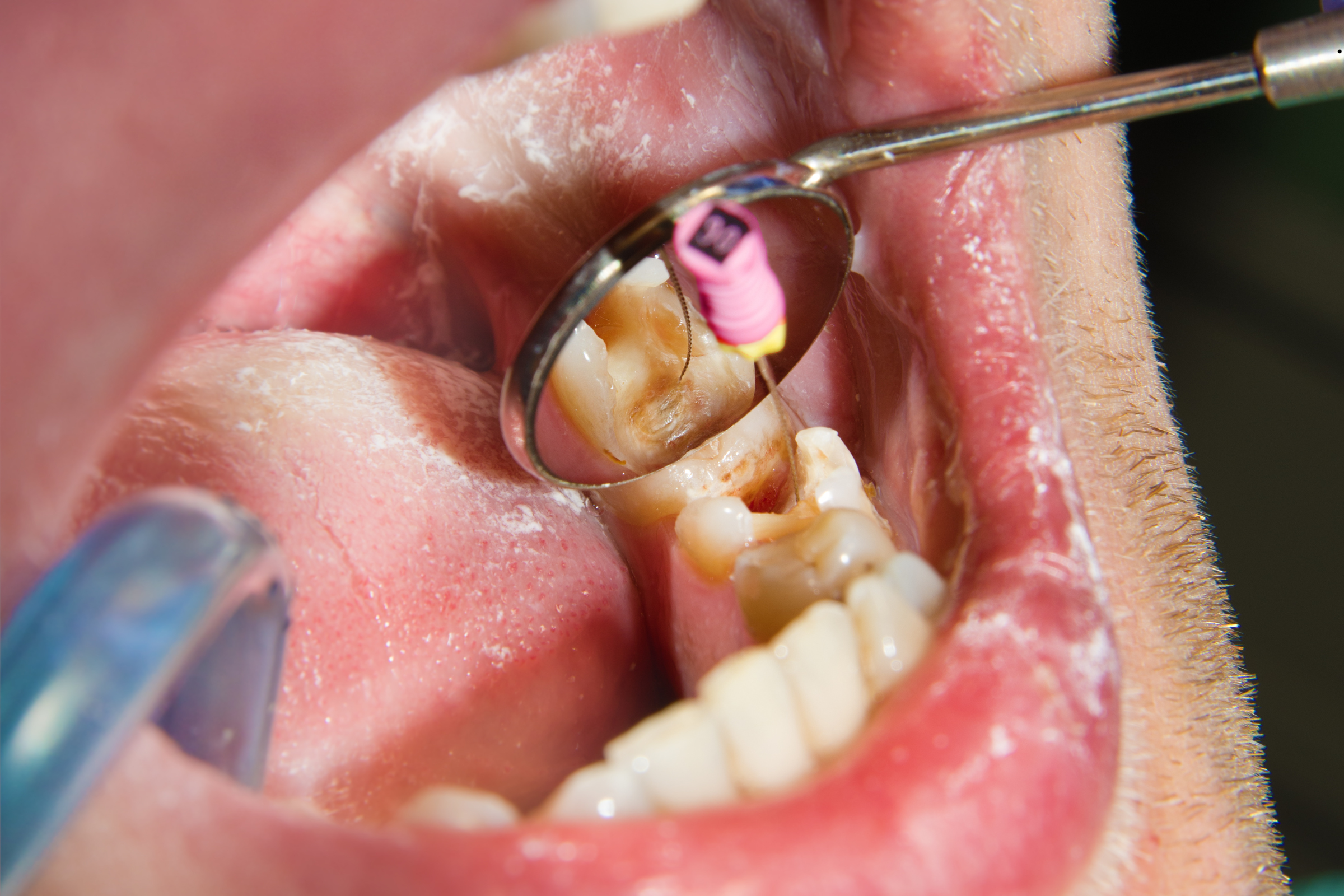
Steps of Root Canal Treatment
Diagnosis and Preparation:
- The dentist will examine the tooth and may take X-rays to assess the extent of the damage or infection.
- Local anesthesia is administered to numb the affected tooth and surrounding area, ensuring you’re comfortable during the procedure.
Access Opening:
- The dentist drills a small opening in the top of the tooth to access the pulp chamber and root canals.
Pulp Removal:
- The dentist carefully removes the infected or damaged pulp from inside the tooth. This involves cleaning out the pulp chamber and root canals to eliminate bacteria and debris.
Cleaning and Shaping:
- The inside of the root canals is cleaned and shaped using specialized instruments to prepare it for filling. The dentist may irrigate the canals with an antimicrobial solution to ensure thorough cleaning.
Filling:
- After cleaning, the canals are filled with a biocompatible material called gutta-percha. This material seals the canals to prevent future infections.
Sealing and Restoration:
- The access opening is sealed with a temporary or permanent filling. In many cases, a crown or other restoration will be placed over the tooth to protect it and restore its full function.
Benefits of Root Canal Treatment
Get a Free Consultation right now
At Identist Dental Hospital, we believe in providing exceptional care from the moment you walk through our doors. Whether you're considering dental implants, orthodontics, or a simple check-up, we're here to guide you every step of the way.