Tooth decay is a prevalent oral health issue that affects people of all ages. It occurs when the enamel, the hard outer layer of your teeth, breaks down due to acids produced by bacteria. These acids form when sugary or starchy foods mix with plaque. If left untreated, tooth decay can lead to cavities, tooth sensitivity, pain, and even tooth loss. However, with the right care and habits, you can protect your teeth and maintain a cavity-free smile.
In this blog, we’ll explore effective ways to safeguard your teeth from decay. We’ll also highlight why Identist is considered the best dental hospital in Eluru for cavity prevention and overall dental care.
Understanding Tooth Decay and Its Causes
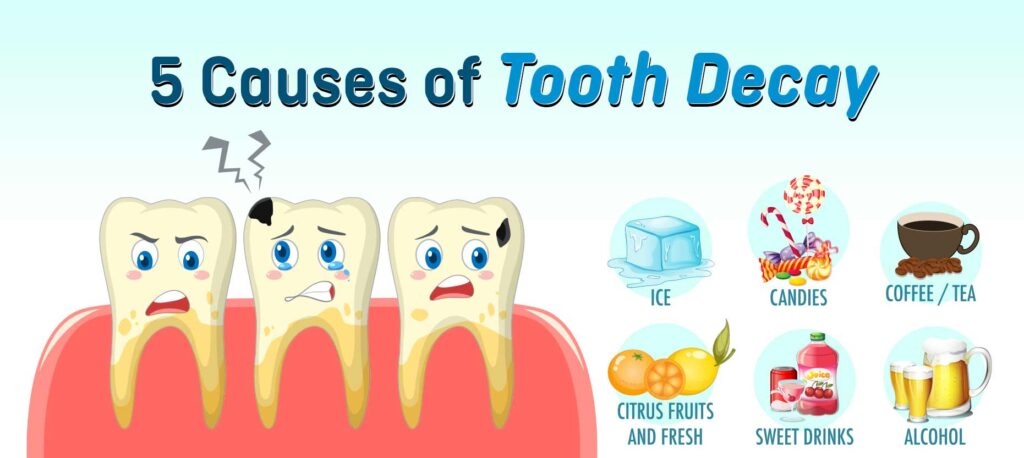
Before diving into preventive tips, it’s essential to understand the causes of tooth decay. It’s primarily driven by plaque, a sticky film of bacteria that forms on your teeth. When you consume foods rich in carbohydrates (sugars and starches), the bacteria in plaque produce acids that attack the enamel. Over time, these acid attacks can erode the enamel, leading to tiny holes or cavities.
Main Factors Contributing to Tooth Decay
- Poor Oral Hygiene: Inadequate brushing and flossing allow plaque and tartar to accumulate.
- Frequent Snacking: Constant consumption of sugary or acidic foods increases the risk of decay.
- Dry Mouth: A lack of saliva makes it harder to wash away food particles and neutralize acid.
- Sugary and Acidic Foods and Drinks: Foods high in sugar or acid can significantly damage enamel.
- Plaque Buildup: If not removed, plaque hardens into tartar, which requires professional cleaning.
The Best Ways to Prevent Tooth Decay
Now that we understand the root causes, let’s look at effective strategies to keep your teeth cavity-free.
1. Brush Your Teeth Properly and Regularly
Brushing your teeth twice a day is crucial for preventing decay. Here’s how to do it effectively:
- Use Fluoride Toothpaste: Fluoride strengthens tooth enamel and prevents cavities. Choose toothpaste containing fluoride to help repair early stages of decay.
- Use a Soft-Bristled Brush: A soft-bristled toothbrush cleans effectively without damaging gums or enamel. Replace your toothbrush every 3-4 months or sooner if frayed.
- Brush for at Least Two Minutes: Spend at least two minutes brushing your teeth. Divide your mouth into quadrants to ensure thorough cleaning.
- Brush at a 45-Degree Angle: Hold your toothbrush at a 45-degree angle to your gums and use gentle circular motions to remove plaque.
For personalized guidance, consider visiting Identist, known for providing the best dental services in the area.
2. Floss Daily to Clean Between Teeth
Brushing alone isn’t enough. Flossing is essential to remove food particles and plaque from areas your toothbrush can’t reach.
- Use Dental Floss or Interdental Brushes: Choose a type that works for you, whether it’s traditional string floss or interdental brushes.
- Floss Correctly: Slide the floss between your teeth and make a C-shape around each tooth to clean both sides without snapping the floss into your gums.
Identist provides demonstrations on proper flossing techniques.
3. Limit Sugary and Acidic Foods and Drinks
What you consume impacts your oral health. Foods and drinks high in sugar and acid can erode enamel and contribute to decay.
- Reduce Sugary Snacks: Limit sugary snacks like candies and cookies that feed bacteria, leading to acid production.
- Avoid Acidic Drinks: Sodas, sports drinks, and fruit juices can wear down enamel. If you consume them, use a straw and rinse your mouth with water afterward.
- Choose Tooth-Friendly Snacks: Opt for fruits, vegetables, cheese, and nuts to minimize decay risk.
Additional Tips for Maintaining Oral Health
4. Stay Hydrated and Chew Sugar-Free Gum
Saliva helps wash away food particles and neutralize harmful acids.
- Drink Water Throughout the Day: Staying hydrated promotes saliva production. Drinking fluoridated water further strengthens teeth.
- Chew Sugar-Free Gum: After meals, chewing sugar-free gum can stimulate saliva production, reducing the risk of decay.
5. Visit Your Dentist Regularly
Regular check-ups and cleanings are vital for preventing tooth decay. Dentists can spot early signs of decay, remove tartar, and provide treatments.
- Get Routine Cleanings: Professional cleanings eliminate plaque and tartar buildup.
- Ask About Fluoride Treatments: These can strengthen teeth and protect against decay, especially for those at higher risk.
- Sealants for Added Protection: Dental sealants protect the chewing surfaces of back teeth, preventing cavities.
Identist offers comprehensive dental check-ups and preventive treatments.
6. Use Mouthwash for Added Protection
An antimicrobial mouthwash reduces plaque and eliminates bacteria.
- Choose a Fluoride Mouthwash: This provides extra protection against cavities. Rinse after brushing and flossing.
- Swish for 30 Seconds: Ensure you swish the mouthwash around your teeth and gums for effective cleaning.
Identist can recommend the right mouthwash based on your oral health needs.
7. Protect Your Teeth During Sports and at Night
If you participate in contact sports or grind your teeth at night, protection is essential.
- Wear a Mouthguard: This prevents broken teeth during sports activities.
- Use a Night Guard: For those who grind their teeth at night, a night guard protects enamel from wear.
Identist offers custom-made mouthguards and night guards for maximum protection.
The Role of Identist in Preventing Tooth Decay
Identist is a trusted name in dental care, offering services designed to prevent tooth decay and promote long-term oral health. Whether you need a routine cleaning or advice on cavity prevention, Identist can meet your needs.
Why Identist Stands Out
- Expert Team: Their highly qualified dentists provide top-notch care tailored to your needs.
- Advanced Technology: State-of-the-art equipment helps detect and treat decay in its earliest stages.
- Comprehensive Care: From preventive care to restorative treatments, Identist covers all dental needs.
- Patient Education: Identist empowers patients with knowledge about maintaining a cavity-free smile.
Conclusion
Preventing tooth decay is achievable with consistent care and attention to your oral hygiene. By brushing and flossing daily, limiting sugary and acidic foods, staying hydrated, and visiting your dentist regularly, you can protect your teeth and enjoy a healthy, beautiful smile.