Maintaining excellent oral hygiene is crucial not just for your teeth and gums but for your overall health. Proper brushing and flossing are the foundational habits that keep your smile bright and your mouth healthy. However, many people may not be aware that they are brushing or flossing incorrectly, which can lead to dental problems such as cavities, gum disease, and bad breath. This comprehensive guide will provide you with simple steps for brushing and flossing effectively, along with expert tips from Identist, the best dental clinic near me in Eluru, to help you maintain optimal oral health for life.
Why Proper Brushing and Flossing Matters
Brushing and flossing your teeth the right way are essential to prevent plaque buildup—a sticky film of bacteria that forms on your teeth after eating. If not removed, plaque hardens into tartar, which can lead to tooth decay, gum disease, and persistent bad breath. Furthermore, good oral hygiene practices are linked to better overall health, reducing the risk of conditions like heart disease, stroke, and diabetes.
The Importance of Proper Brushing
Brushing your teeth correctly is one of the most effective ways to remove plaque and protect your teeth and gums. Here are the steps recommended by the best dental experts in Eluru at Identist:
1. Choose the Right Toothbrush
Using the correct toothbrush is crucial for proper brushing. A soft-bristled toothbrush with a small head is ideal as it can reach all areas of your mouth without harming your enamel or gums. Both manual and electric toothbrushes are effective, but electric toothbrushes may offer a more consistent clean, especially for those with limited manual dexterity.
2. Use the Right Amount of Toothpaste
A common misconception is that more toothpaste equates to better cleaning. However, a pea-sized amount of fluoride toothpaste is sufficient to protect your teeth from cavities. Fluoride strengthens enamel and can reverse early signs of tooth decay.
3. Proper Brushing Technique
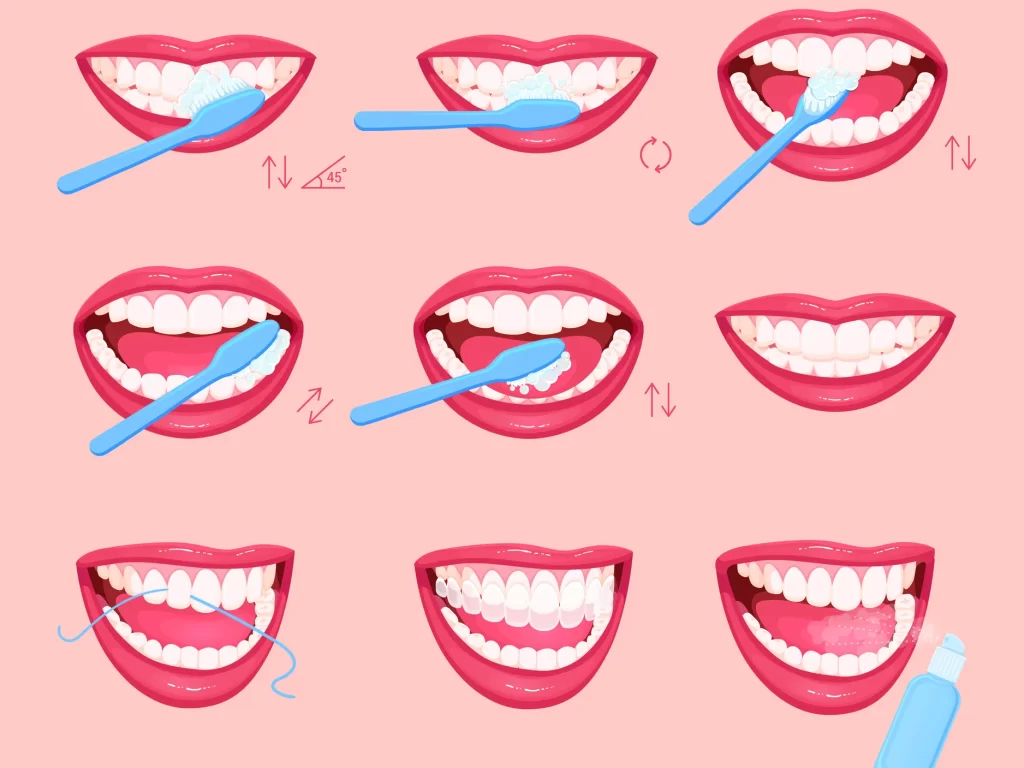
To ensure effective brushing, follow these steps:
- Hold your toothbrush at a 45-degree angle: Position the bristles toward your gum line.
- Use gentle, circular motions: Brush using small, circular motions rather than a back-and-forth motion to avoid damaging enamel or gums.
- Brush for at least two minutes: Divide your mouth into four sections and spend 30 seconds on each to ensure comprehensive cleaning.
- Focus on the gum line: Gently brush along the gum line where bacteria tend to hide.
- Clean every surface: Brush the outer, inner, and chewing surfaces of your teeth. Don’t forget your tongue, as it harbors bacteria that cause bad breath.
4. Replace Your Toothbrush Regularly
Change your toothbrush every three to four months, or sooner if the bristles are frayed. A worn toothbrush won’t clean your teeth effectively.
Expert Tip from Identist : During routine check-ups at Identist, the best dental clinic near me, dentists provide personalized brushing guidance to help you maintain a healthy smile.
The Importance of Proper Flossing
Flossing removes plaque and food particles from between your teeth and below the gum line, areas where toothbrushes can’t reach. Here’s how to floss correctly:
1. Choose the Right Type of Floss
There are various types of floss—waxed, unwaxed, flavored, and dental tape. Your choice should be based on your needs. Waxed floss may be easier for tight spaces, while water flossers or floss threaders are ideal for those with braces.
2. Proper Flossing Technique
Flossing correctly is essential to avoid gum damage and ensure plaque removal:
- Take about 18 inches of floss: Wrap it around your middle fingers, leaving an inch or two for working.
- Gently slide the floss between your teeth: Avoid snapping it into your gums. Curve it around each tooth in a C-shape.
- Move the floss up and down: Rub the floss up and down against each tooth, going below the gum line.
- Use a clean section for each tooth: This prevents spreading bacteria from one tooth to another.
3. Don’t Forget the Back Teeth
The back teeth are just as susceptible to plaque and cavities, so make sure to floss all the way to the back of your mouth.
4. Flossing Alternatives
If traditional flossing is challenging, consider alternatives like floss picks, water flossers, or interdental brushes.
Identist’s Advice: At Identist, the best dental experts in Eluru, we provide patients with step-by-step flossing demonstrations to ensure proper technique and effective plaque removal.
The Role of Mouthwash in Your Oral Hygiene Routine
While brushing and flossing are the core of oral hygiene, incorporating an antimicrobial mouthwash can further reduce bacteria, freshen breath, and help prevent plaque buildup.
- Choose the right mouthwash: Consult with your dentist to select a mouthwash suitable for your needs, such as fluoride or antiseptic mouthwashes.
- Use after brushing and flossing: This helps rinse away any remaining debris and bacteria.
Common Mistakes to Avoid While Brushing and Flossing
Even with the best intentions, some common mistakes can hinder your oral hygiene efforts:
- Brushing Too Hard: This can damage enamel and gums. Use gentle pressure.
- Skipping Flossing: Floss daily to prevent plaque buildup between teeth.
- Brushing Too Quickly: Brush for at least two minutes to clean thoroughly.
- Using an Old Toothbrush: Replace every three to four months or when bristles fray.
- Neglecting the Tongue: Clean your tongue to reduce bacteria and bad breath.
Regular Dental Checkups: The Key to Optimal Oral Health
No matter how diligent you are with brushing and flossing, regular dental visits are essential for professional cleanings and oral exams.
Why Choose Identist?
Identist, the best dental clinic near me, offers comprehensive dental care in Eluru, including preventive services, periodontal treatments, and personalized oral hygiene advice to ensure you maintain a bright, healthy smile.
Conclusion
Proper brushing and flossing are fundamental to good oral hygiene, but they must be done correctly. By following the steps in this guide and avoiding common mistakes, you can protect your teeth and gums, prevent dental issues, and enjoy a lifetime of healthy smiles.